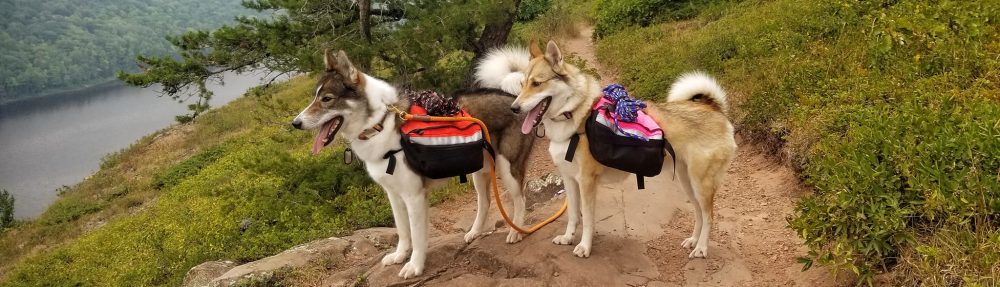
West Siberian Laika, often called Laika or WSL in North America, is a medium sized hunting spitz developed by Russia for commercial fur trappers. The breed was originally a landrace of Siberian dogs from the Mansi and Hanty people.
WSL are versatile dogs that are used on a wide range of game, small and large, fur and feathers. In North America the breed is almost exclusively a tree dog, squirrel and raccoon is the most common game hunted with them. Some dogs are used on bobcat, boar, or bear. Overseas the breed is used on everything from marten to moose, even waterfowl. A more detailed description of the breed can be found on Vladimir Beregovoy’s website.
Though they originate from Siberia, WSL can hunt in a variety of climates. From Michigan’s snow packed upper peninsula to the hot and humid swamps of Louisiana, these dogs will adapt to the climate they are raised and worked in. Most WSL are kept outside their entire lives, if provided with shade and water they will handle warm summer temperatures without a problem. It’s only if the dogs are primarily kept inside and never given time to adapt to the outside temperature do they have issues with the climate. WSL are not commonly altered, which can have an effect on the coat, causing it to grow too thick and shed continuously or blow outside of the usual seasons.
West Siberian Laika are recognized by the Fédération Cynologique Internationale and United Kennel Club. They are not recognized by the American Kennel Club and there is no effort or interest by the majority of owners and breeders to get them into that registry. My dogs are UKC registered and all puppies will come with UKC registration.
Very few WSL world-wide are owned strictly as non-working pets, they do not have a temperament suited for the average pet owner. These are active, intelligent, loud dogs with a high prey drive that thrive on work. They can do good in the right active pet home, but the owner needs to understand that this is a primitive working breed that needs a lot of mental stimulation and exercise that won’t behave like the typical pet dogs common in North America.
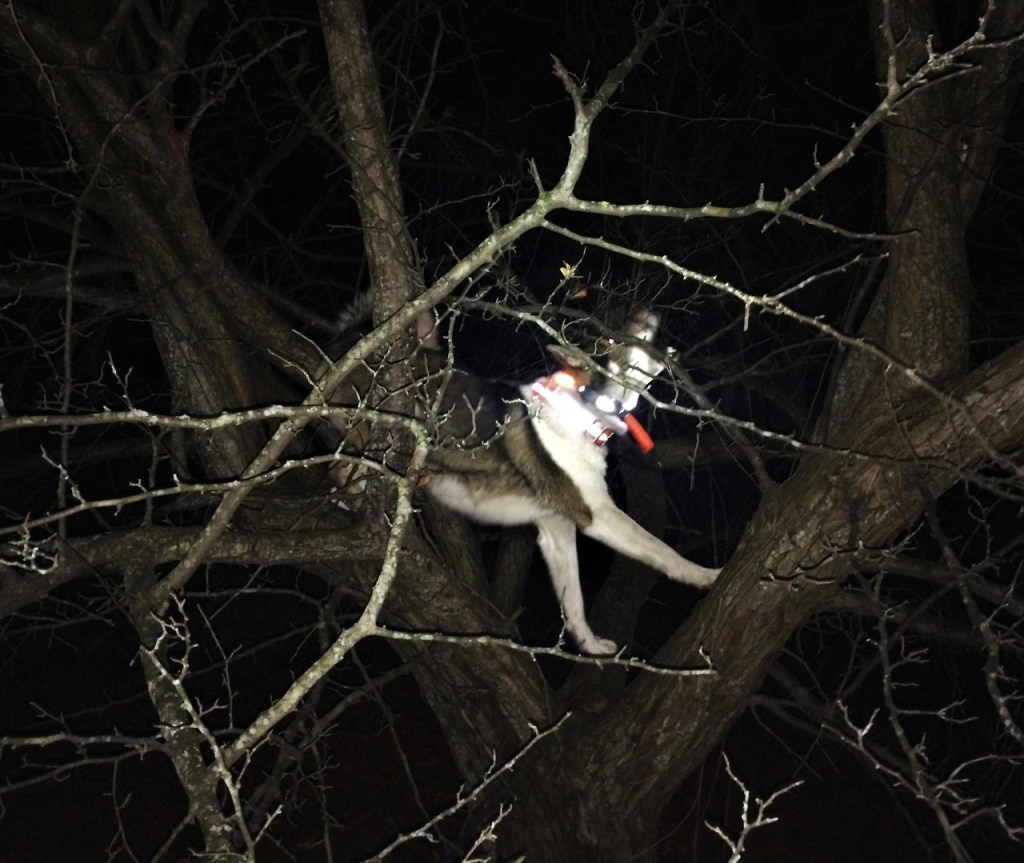
 Campfire WSL